

China's Zero Tariff Policy for 53 Countries
If the West African used car market is like a lively street party, then China's zero tariff policy for 53 countries is like suddenly popping the cap off a bottle of iced cola-bubbles burst forth with a whirl! The reactions from various markets are like different flavors of West African fried bananas, each with its own unique charm.
Let's start with Ghana, a country with pragmatism ingrained in its DNA. Its tariff exemption for electric vehicles is like setting up a free tasting stall in the market.
Originally, people were hesitant around the gasoline-powered car stalls, but now, with the arrival of new energy vehicles, it's like freshly baked yam at the Kumasi market-steaming hot and free. Who wouldn't love it? Ghanaians value visible value when buying, and the tax-free policy effectively slaps a "bargain price" tag on car prices. Imports of used new energy vehicles into Ghana are expected to surge like Accra's rainy season, from 5,000 in 2024 to 15,000 in 2025. It's a veritable "green tsunami"! New energy vehicles are piled high at the port, and dealers are counting the cash with their hands cramped-after all, ride-hailing platforms are switching to 500 pure electric vehicles this year, so how can this business not be booming?
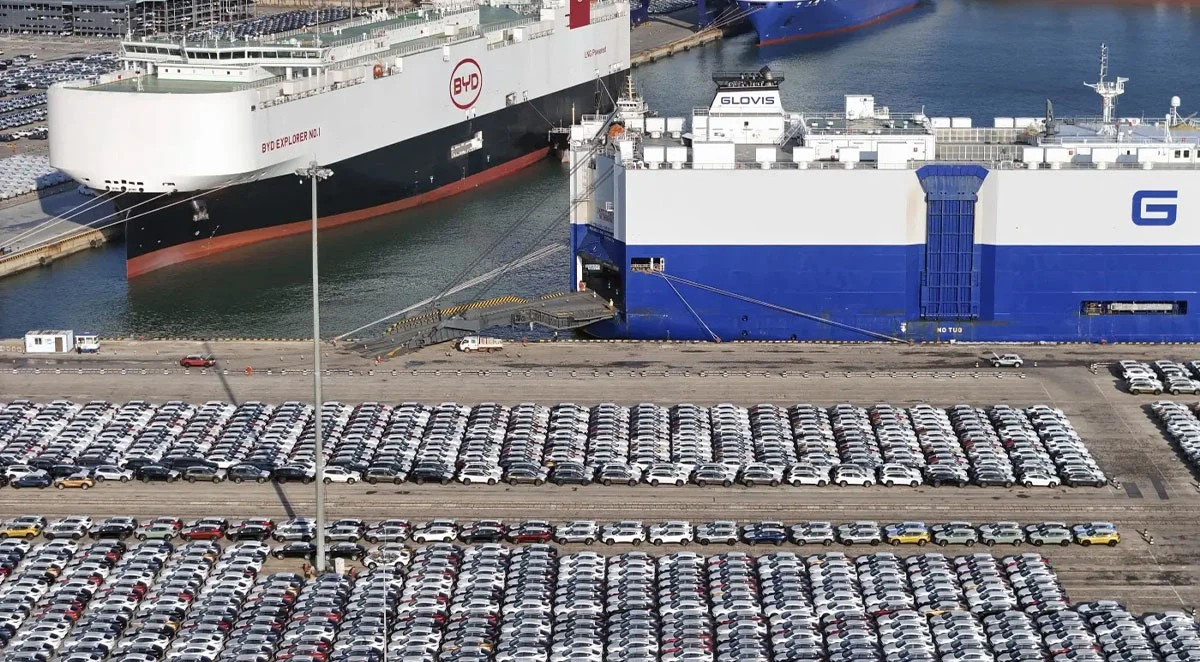
Look at Nigeria, West Africa's "big brother," a country known for its rule-making. Banning the import of gasoline-powered vehicles over 15 years old? That's like a traffic police officer suddenly blowing his whistle in Lagos-those old cars trying to get in on the action should pull over! Remember, Nigeria's used car market used to be like a classic car museum, with some vehicles so old they could be grandfathered. Now that policies have been tightened, those "old-fashioned" vehicles, emitting black smoke, have been forced to retreat in disgrace. Instead, used new energy vehicles from China have become a hot commodity. Over 95% of Nigeria's used car market is secondhand, with an annual transaction volume of 700,000 vehicles. The share of used new energy vehicles has soared from 5% to 20%. These vehicles not only align with the "green" trend but also save significant fuel costs during traffic jams. They're practically tailor-made for Lagos's "traffic jam carnival."
Côte d'Ivoire is even more interesting. As a top performer in West Africa's used car trade, its market size is expected to reach $300 million by 2025, much like the mountains of cocoa beans piled high at the port of Abidjan-plump and substantial.
In this country, known as the "Little Paris of West Africa," even buying a car is a romantic pursuit: both prestige and substance are important. The surge in the share of used Chinese cars here is like adding a touch of new syrup to traditional coffee, combining the familiar richness with a refreshing surprise. The market share of used Chinese cars in Côte d'Ivoire is like shipping containers at the port, soaring from 20% in 2024 to 35% in 2025. Even cocoa beans will have to give way to them! Ivorians love making friends, and seeing the excellent value for money offered by Chinese cars, they'd probably be haggling with dealers long ago: "Lower prices? I'll bring the whole neighborhood next time!"
Egypt, despite its location in North Africa, is also a part of this "used car party." Cairo's streets are jammed with traffic so congested it's hard to believe life itself. New energy vehicles are a sudden traffic savior-less frequent gas stops, cheaper electricity bills, and enough money saved to buy a whole year's worth of kushari (traditional Egyptian food).
In the first quarter of 2024, Egypt's imports of used new energy vehicles reached one-third of the total for the previous three years, the vast majority of which were Chinese brands. It's no wonder that Egyptians now see Chinese new energy vehicles with the same fascination as they see Eid al-Fitr desserts.
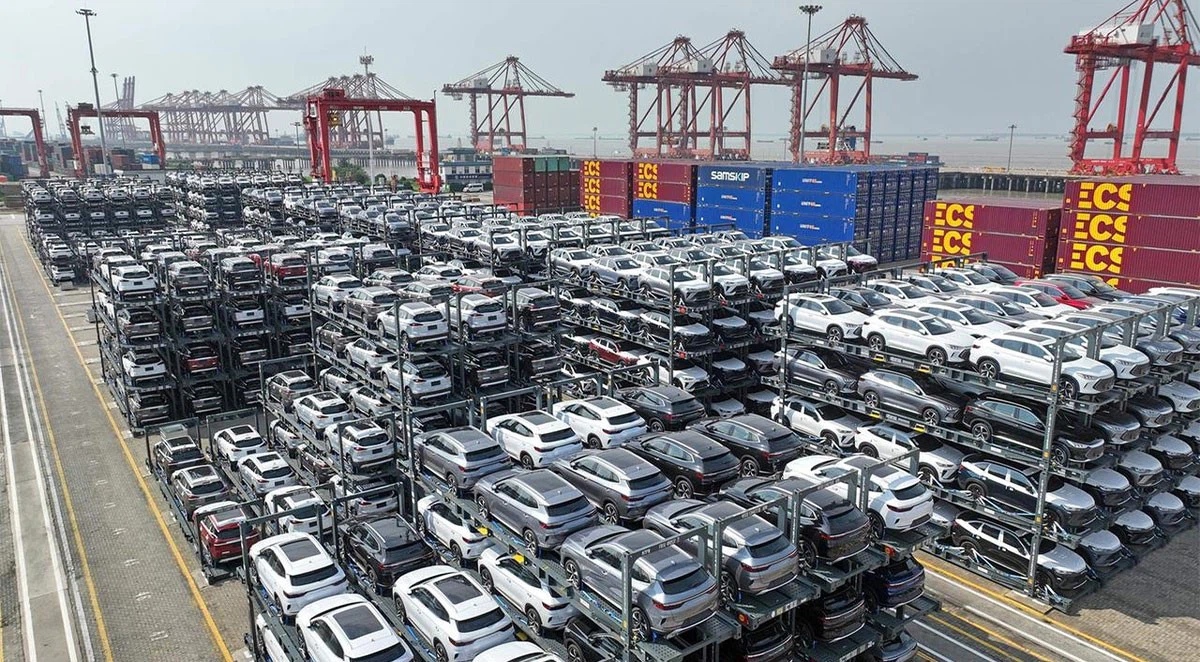
Ultimately, these policies have sprinkled a magical dusting on the West African used car market: Ghanaians are thrifty and gloat over bargains; Nigerians value appearances, and trading in their old cars for something "prestigious" is a natural fit; and Ivorians appreciate the value of life, turning car buying into a pleasant transaction. And what about Chinese used cars? Like a friendly, multilingual neighbor, they adapt to Ghana's road conditions, understand Nigerian aesthetics, and fit the Ivorian budget. The West African used car market is projected to reach $2 billion by 2025, with China's export share increasing from 15% to 25%. It's no wonder they've become the most sought-after "dance partner" at this party.
But despite all the excitement, countries haven't forgotten the importance of prudence-while welcoming customers, they're quietly improving their after-sales and repair networks. After all, buying a used car is like marrying a wife: it's not just about appearance; it also needs to be a good fit, right? It seems this "green used car frenzy" is not only exciting, but also quite reliable.